👪
Families need timely care
Parents should have practical local options when a child becomes sick and cannot wait days for an appointment.
Thorold residents deserve timely access to family doctors, walk-in care and practical local healthcare options. This initiative is measuring demand, building community support and strengthening the case for physicians and clinic partners to choose Thorold.
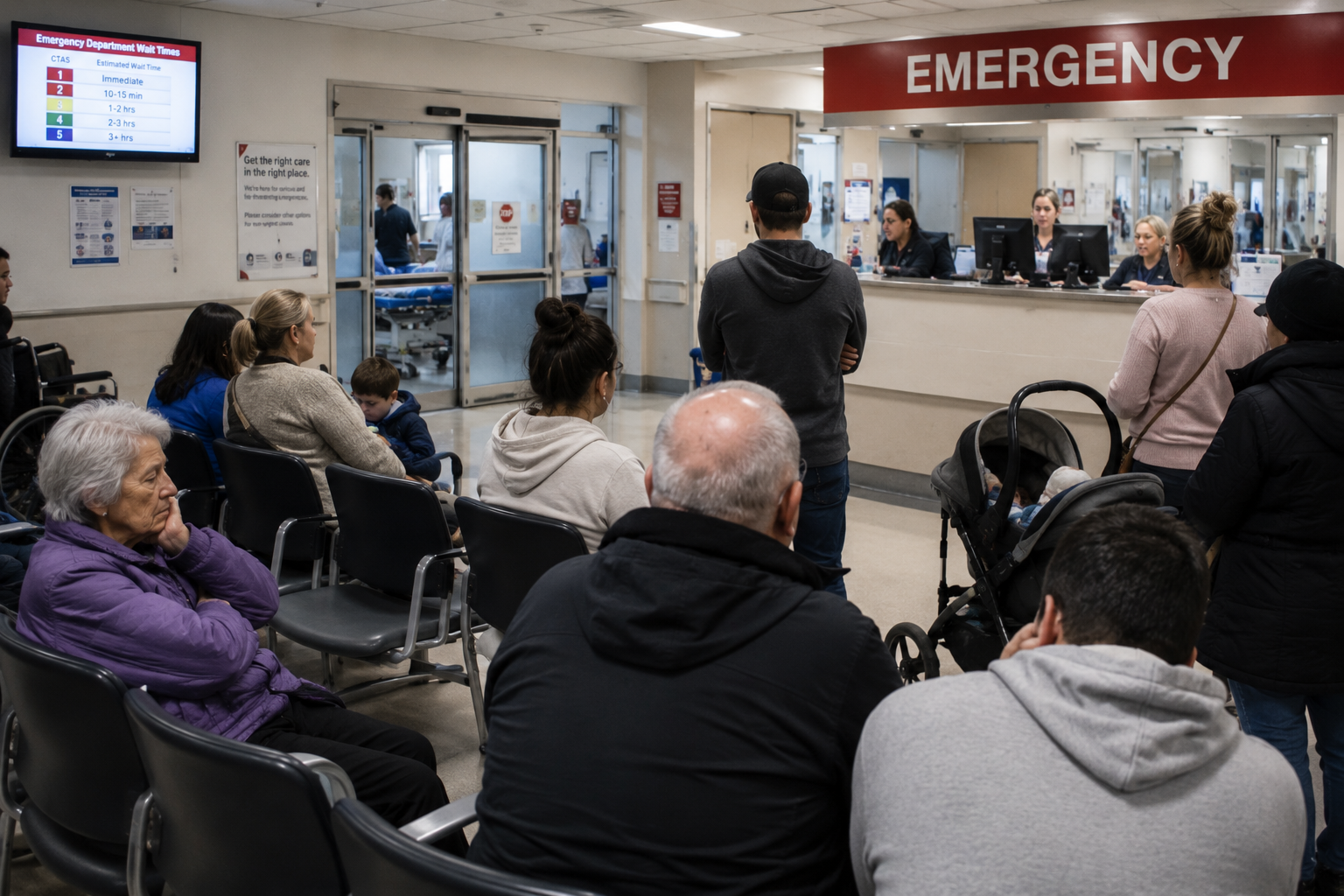
Too many residents face long waits, limited same-day options or the inconvenience of leaving Thorold for care that should be easier to access close to home.
Parents should have practical local options when a child becomes sick and cannot wait days for an appointment.
Convenient primary care becomes even more important as Thorold grows and its population ages.
New homes and population growth must be matched by the healthcare and community services residents rely on.
The survey is not the solution by itself. It creates credible evidence that can support recruitment, partnerships and planning.
The initiative is designed to reduce uncertainty, demonstrate community readiness and help open credible conversations with healthcare providers and partners.
The survey helps measure healthcare access needs, identify demand for walk-in and primary care, and give potential physicians and partners clearer evidence of local interest.
No. It strengthens the case and supports recruitment efforts, but it cannot guarantee that a physician, clinic operator or healthcare partner will choose Thorold.
Responses will be reviewed in aggregate to understand local demand and support conversations about physician recruitment, clinic viability and improved healthcare access.
Thorold residents who want to share their experience accessing healthcare and their interest in better local care options should respond. One response per resident is most useful.
Yes. A broad and credible response from across Thorold creates a clearer picture of community need.
Your response takes only a few minutes and helps turn a shared concern into evidence that can support practical action.
This initiative measures demand and builds support. It does not guarantee access, preferential treatment or the opening of a clinic.